Roofing Marketing, Built For The Storm.

Most roofing demand happens in a forty-eight-hour window after weather damage. We build the visibility, the intake, and the storm-response system that captures the work before the chasers from out of state arrive.

Storm Response Is The Game.

Roofing is event-driven. A hailstorm rolls through, and the next forty-eight hours decide who books the work for the next six months. The roofers who own the map pack and have the intake agent already running take the volume. The same event-driven dynamics shape electrical contractors after storm-related power events and plumbers after freeze cycles.

Most local roofers are not set up for storm response. The website still loads slowly, the phone still goes to voicemail at 8 PM, the lead form still requires four clicks. The chasers show up with vinyl-wrapped trucks, door-knock the neighborhood, and book the work the local company should have had.

We build the system that wins the response window. Visibility that stacks up before the storm. An intake agent that handles every inbound regardless of channel. Insurance-claim guidance built into the intake. A site that loads instantly and routes the buyer to the next step in under a minute.

Between storms, the same system runs the steady-state work: scheduled replacements, repairs, maintenance, and inspections. Roofing demand is event-driven, but the marketing infrastructure runs continuously. Built once, tuned forever.
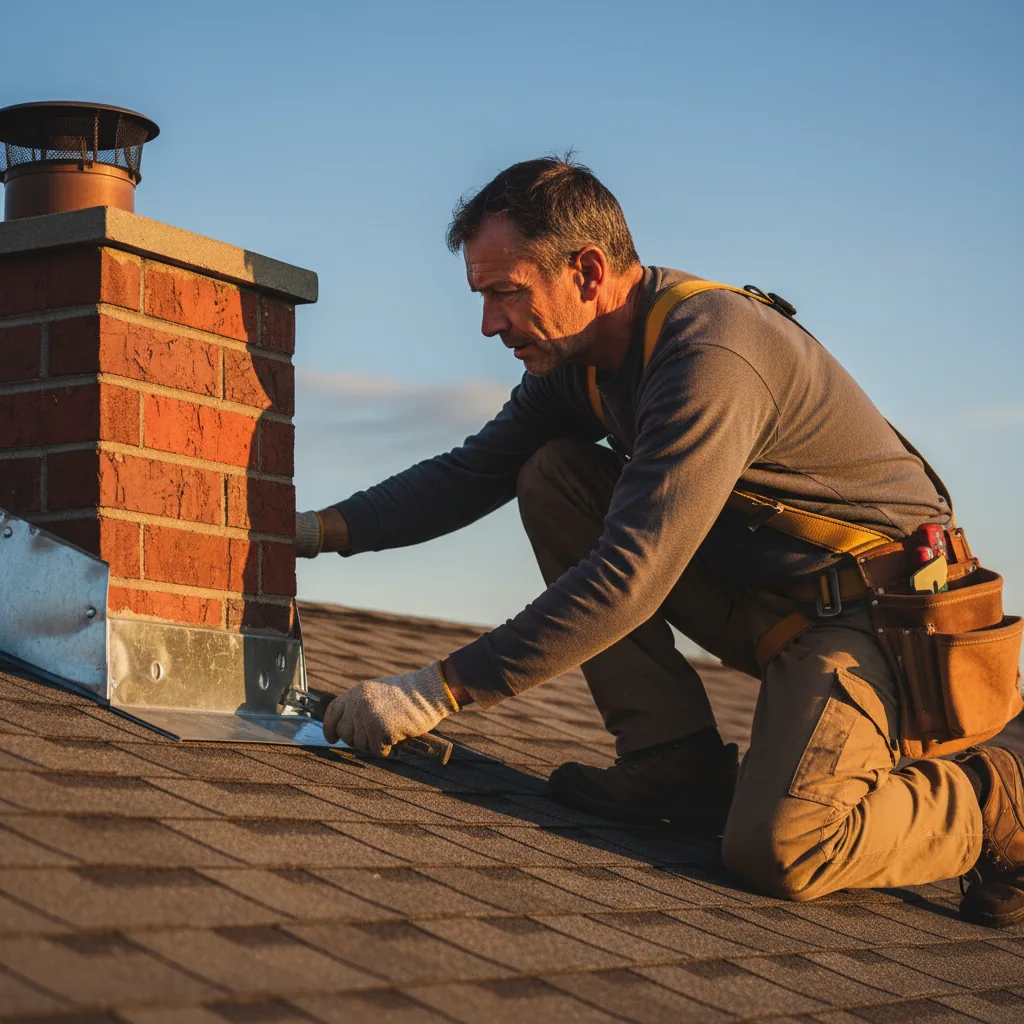
Inside The Roofing Engagement.

Storm-window visibility loaded ahead of the season.

Local SEO and AI visibility work front-loaded so your business is in the top three on storm-related queries when the weather hits. Scored continuously through the Lighthouse Local audit across all six AI platforms.

Insurance-claim guidance built into intake.

The agent walks the homeowner through what their insurance is likely to cover, what documentation they need, and what the inspection appointment will look like. Bespoke intake logic and carrier integrations built by our AI consultancy team when the workflow is unusual.

Site engineered for the response window.

Static-served site, green Core Web Vitals, live chat, instant conversion form. Backed by long-form roofing content that ranks in the off-season and gets cited during the spike.

Steady-state marketing between storms.

Scheduled replacements, repair work, maintenance plans, and inspections. The same system that captures storm work books the steady-state pipeline, layered into a broader topical authority program for multi-state roofing companies and multi-location repair networks with similar regional footprints.

How A Roofing Engagement Runs.

01

Pre-Season.

Visibility baseline locked. Site rebuilt or hardened. Voice and chat agents trained on insurance-claim language. Storm-season story angles teed up with our digital PR team for placement in regional publications.

02

Standby.

System runs steady-state marketing while waiting for weather. Maintenance and inspection leads kept warm. Crew kept on retainers. The seasonality pattern mirrors what we run for HVAC operators between heat waves.

03

Response.

Weather hits. Agent absorbs the inbound spike across every channel. Inspection appointments booked at scale. Insurance-claim documentation surfaced to the homeowner in the call.

04

Recovery.

Steady-state work resumes. Storm pipeline executed through completion. Reviews flowing. Profile and content updated with the work performed. Operators running multiple trades extend the same system into home services.

Common Questions.

How fast does the response system move?

Inbound captured inside seconds. Appointment booked inside ten minutes of the call. Inspection scheduled inside seventy-two hours of the storm depending on crew capacity.

Can the agent talk to homeowners about insurance specifics?

The agent guides on documentation, the inspection process, and what to expect. It does not make claim decisions or interpret policies, which keeps the conversation on the right side of state insurance regulations.

How do you handle out-of-state chasers?

The local company's map pack position and review depth are what outcompete chasers. Established local credibility plus instant intake is what wins. We build both, with the same playbook used across every service-area industry we work with.

What about commercial roofing?

Commercial buyers run through a separate qualification flow with longer cycles and different decision-makers. The dashboard separates residential and commercial pipeline by default.

How is pricing structured?

Build fee plus monthly retainer. Retainer scales with crew count and service-area coverage, not with lead volume during a storm response window.

Let's talk.

Tell us where your business is stuck and we'll walk through how Rhetor would run it. The marketing that gets you found across Google and every AI platform, the agents that handle the inbound and follow-up, and the engineering when the work calls for custom AI built around how your business actually runs.